
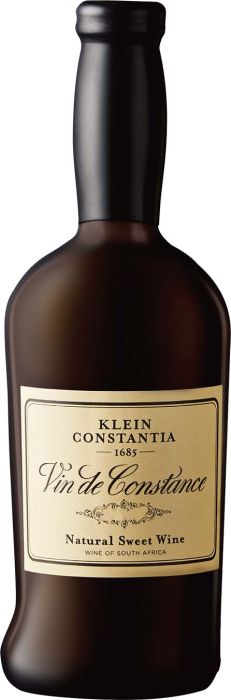
Klein Constantia Vin de Constance magnum 2021
Artikelnummer
BXVDC21W2
Log in om producten te kunnen bestellen.
| Druivenras | Muscat |
|---|---|
| Robert Parker | 97+ |
| Wine Spectator | 95 |
| James Suckling | 95 |
| Vinous | 97 |
| Awards | "This wine has been made the same way since 1737. The Klein Constantia 2021 Vin de Constance reflects a great vintage on the Cape. The three-week period in March when fruit is harvested is Winemaker Matthew Day's favorite time of year. He loves the way the sunshine hits this beautiful part of the vineyard. Muscat de Frontignan is planted to 40% bush vines and 60% trellised vines (this section is harvested last). They make as many as 25 to 30 passes through the vineyard at harvest. Because Muscat lacks acidity, they pick the bush vines early. Magic happens, he says, during maceration, when aromas of candied fruit and honey fill the winery. This is a beautifully balanced wine that stands on three pillars, all carefully aligned: sugar, acidity and alcohol. This vintage has 165 grams per liter of residual sugar and between 14% and 14.5% alcohol. Micro-oxidation is encouraged through the oak, especially during the first one and a half years of maturation. After that, the wine is put in foudre to integrate for one and half years. The result is a sweet wine that almost tastes dry thanks to its inner complexity and generous composition. Background tones of teak, perfumed sandalwood, nougat and Turkish tea will appear stronger as the wine continues its bottle evolution. According to Matthew Day, Vin de Constance usually peaks after five years in bottle, and then it starts a second round and opens up again. "It's absolutely mind-blowing," he says. This clone comes from a massal selection. In 2012, the team isolated the best-performing blocks, and they selected six clones, later narrowed down to two. The bouquet is understated, so delicate, so fine." - Robert Parker's Wine Advocate "The 2021 Vin de Constance comes from 27 different batches with two weeks on the skins. With 173.5 grams per liter of residual sugar (the same as 2020), it presents a very pure bouquet, effervescent with quince, orange zest and just a hint of marmalade—wonderfully delineated and focused. The palate is supremely well balanced with a viscous entry and extremely good weight in the mouth, but the acidity (6.3 grams per liter) keeps this on its toes. Quite spicy on the finish, this lingers long in the mouth, and I can still feel it 30 seconds after it has departed. There’s real freshness and electricity here. Outstanding." - Vinous "Dried apples, apricots, honey and light caramel with some flowers on both the nose and palate. Medium-bodied, sweet but not overpowering, showing lots of freshness and focus. Tangy at the end, but so polished and caressing on the palate." - James Suckling "A lovely, layered sweetie that leans toward off-dry rather than frankly sweet thanks to a fine spine of racy acidity. Leads with cardamom, ginger and cumin, a fragrant skein that then winds through glazed apricot, blood orange granita and passion fruit coulis, plus rich hints of toffee and graham cracker. Long and creamy, with honeysuckle, dried mint and tangerine peel accents lingering on the finish. Drink now through 2041." - Wine Spectator "100% Muscat de Frontignan. ‘An ideal build up to harvest created exceptional conditions for the raisining of the Muscat fruit. The result was a very compressed harvest that started in early March and was completed within 3 weeks, unlike typical harvests where it can take up to 2 months.’ Fermentation stopped naturally. The wine was aged for 1.5 years in 50% new 500-litre Hungarian and French oak barrels, followed by a further 1.5 years in a large-format wooden foudre. The final blend is a cask selection. TA 6.3 g/l, pH 3.92, RS 172 g/l. Pale gold in colour with a sweet, grapey, floral nose. The palate is silky, pristine and sweet. Crystallised ginger, honeysuckle and maple come through. A generous but perfectly balanced vintage. Long, and very youthful. Should age well." - 17,5/20, Jancis Robinson over de 2020-vintage "Highly floral and concentrated nose full of marmalade, orange zest, toasted caramel patisserie, orange blossom, a Tutti Fruitti element and some soft oak touches too. Thick and viscous, comforting and deep with a weighty, sugary texture offset by serious spiced and toasted edges that give this angles and a taught frame. Serious, not so easy and generous, more dense and concentrated, this feels well built and purposeful. The sweetness (butterscotch, thick creamy lemon and apricot yoghurt and hints of honey) is countered by a delicious citrus zestiness and bitter orange touches. I adore the combination of flavours and this feels expertly made with precision, freshness and clarity. Lots to enjoy and think about here with a satisfying, long, mineral grip on the finish. From a challenging 2020 vintage with small, concentrated berries and a reduced crop. 174g/l residual sugar. 3.92pH. 6.3g/l total acidity. Ageing one and a half years in 50% new, 500l Hungarian and French oak barrels followed by the same time in large-format wooden foudre. Barrels are then selected with the best being chosen for the final blend. Winemaker Matthew Day." - 96 punten, Decanter over de 2020-vintage "From a stellar vintage comes a rich and opulent wine, though one that is also remarkably precise in focus. Aromas of honeycomb, sweet roasted nuts, baked apple, orange marmalade and a touch of pressed honeysuckle set the stage on the nose and mouth, but are partnered for optimal balance by a pronounced seam of acidity and lingering ginger and baking spice accents on the long, evolving finish. It's hard to resist now, but this will hold and mature well through 2037." - 96 punten, Wine Enthusiast over de 2017-vintage |
| Wijnsoort | Dessertwijn |
| Land | Zuid-Afrika |
| Regio | Western Cape |
| Appellatie | Constantia |
| Jaartal | 2021 |
| Alcoholpercentage | 14,0 |
| Biologisch gecertificeerd | Nee |
| Vegan friendly | Nee |
| Inhoud | 1,5 l |
| Verpakt per | 1 |
| Verpakking | Kist |
| Schroefdop | Nee |
| Brutogewicht fles | 0,9 |